





The Disappearance of Andrew Gosden: Britain’s Most Puzzling Missing Person Mystery

On the morning of 14 September 2007, a quiet, academically gifted 14-year-old boy left his home in Doncaster, boarded a train to London, and vanished.
Nearly two decades later, nobody knows with certainty what happened to Andrew Gosden.
Unlike many missing-person cases, there was no obvious family conflict, no known history of running away, no confirmed online grooming trail, and no verified sightings after he left King’s Cross Station. The investigation has generated countless theories, renewed police appeals, and even arrests, yet the central mystery remains unsolved.
This is the story of what happened, what investigators know, where mistakes were made, and why the case continues to fascinate and frustrate investigators and the public alike.
Who Was Andrew Gosden?

Andrew Gosden was born in 1993 and lived with his family in Balby, Doncaster, South Yorkshire.
By all accounts, he was intelligent, reserved, and independent. Teachers regarded him as academically gifted, and he had attended a prestigious summer programme for high-achieving students. Friends and family described him as quiet rather than troubled.
Importantly, there was little evidence that Andrew fit the profile commonly associated with teenage runaways. He had a stable home life, performed well at school, and maintained close relationships with his family.
That apparent lack of motive would become one of the most baffling aspects of the case.
The Day Andrew Disappeared
Friday, 14 September 2007 began like an ordinary school day.
Andrew left home at around 8:05 a.m. wearing his school uniform. A family acquaintance saw him heading toward his usual route.
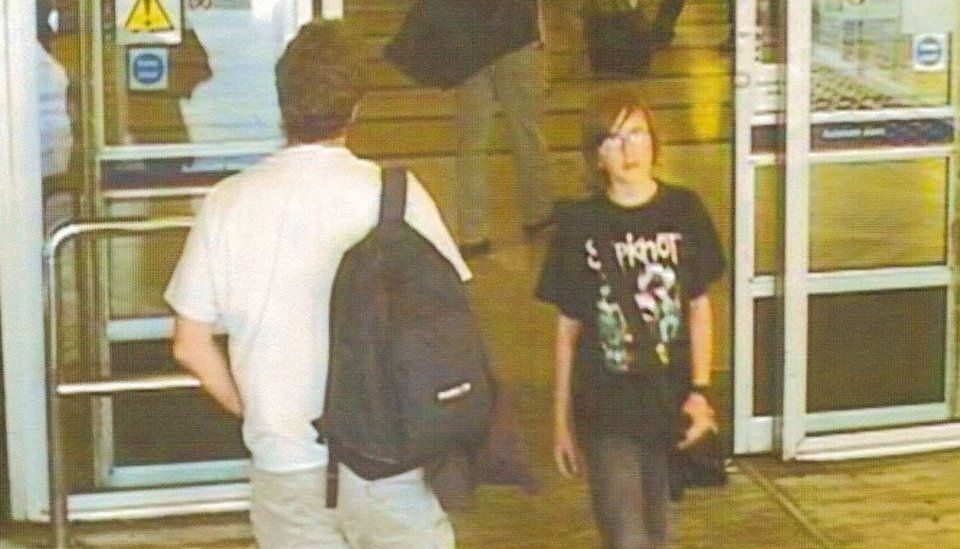
Instead of attending school, however, Andrew waited until other family members had left the house before returning home. He changed out of his uniform, placed it neatly in the washing machine, and changed into casual clothes: black jeans and a black Slipknot T-shirt. He took his wallet, keys, and PlayStation Portable (PSP), then withdrew £200 from his bank account almost all the money available to him.
He then walked to Doncaster railway station and purchased a one-way ticket to London King’s Cross.
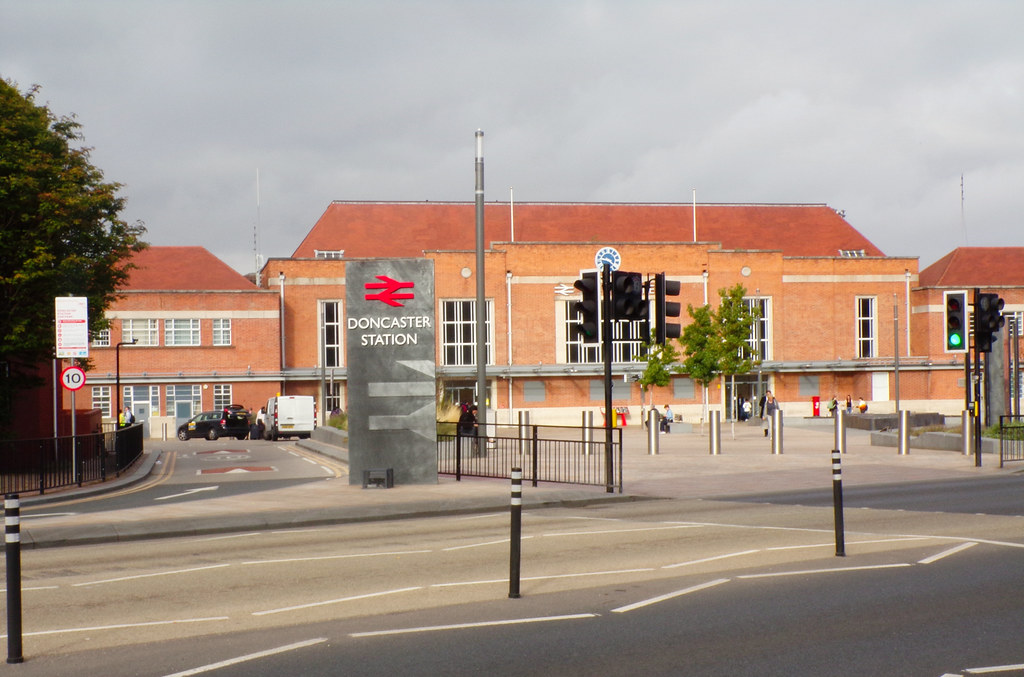
Notably, a ticket clerk reportedly informed him that a return ticket cost only slightly more than a one-way fare. Andrew still chose the one-way option. This small decision has become one of the most analysed details in the entire case.
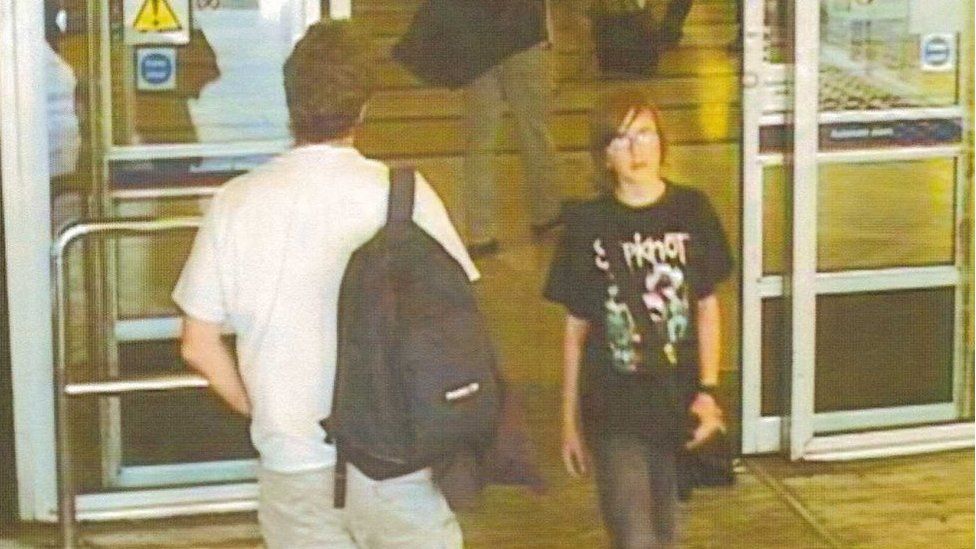
At approximately 11:20 a.m CCTV captured Andrew arriving at King’s Cross Station in London.
It is the last confirmed sighting of him.
Early Investigation Problems
One reason the case remains controversial is that several investigative opportunities were missed during the crucial early days.
The school discovered Andrew was absent, but a call intended for his parents reportedly went to the wrong number. As a result, his family did not realise he had skipped school until much later in the day.
More damaging was the delay in obtaining CCTV footage.
By the time investigators sought footage from many London locations, some recordings had already been overwritten. Because Andrew disappeared before smartphones, widespread social media, and modern digital tracking, CCTV represented one of the few available ways to reconstruct his movements. Lost footage meant potentially critical evidence disappeared forever.
Andrew’s father, Kevin Gosden, has publicly criticised aspects of the early investigation, arguing that valuable time was lost pursuing unlikely possibilities rather than focusing on tracing Andrew’s route through London.
Why Did Andrew Go to London?
This question sits at the heart of the mystery.
Investigators know Andrew deliberately travelled to London. The challenge is understanding why.
Several possibilities have been discussed over the years:
Theory 1: A Planned Day Trip
Some believe Andrew simply intended to spend a day in London.
The theory has supporting details. He had relatives in London, had visited the city before, and was intelligent enough to navigate public transport independently. London also offered attractions likely to interest a teenager with Andrew’s interests, including music venues, museums, and gaming shops.
The problem is that no evidence shows where he went after leaving King’s Cross.
Theory 2: Meeting Someone
Another theory is that Andrew travelled to London to meet somebody.
This possibility has long concerned investigators because it could explain why he travelled with purpose and apparently without informing anyone.
Supporters of this theory point to the deliberate nature of his actions: returning home, changing clothes, withdrawing money, and travelling alone to London.
However, no confirmed evidence has ever publicly emerged proving that Andrew arranged a meeting with anyone. Investigators have repeatedly stated that many claims and sightings could not be corroborated.
Theory 3: An Opportunistic Encounter
Some analysts believe Andrew may have travelled independently but encountered danger after arriving in London.
This theory does not require pre-planning or grooming. It suggests he reached London safely but became vulnerable afterward due to his age, unfamiliar surroundings, and isolation.
The difficulty, again, is the absence of evidence after King’s Cross.
Theory 4: Voluntary Disappearance
A minority view suggests Andrew intentionally disappeared to start a new life.
This remains controversial.
Supporters point to his one-way ticket and apparent determination to travel secretly. Critics counter that he left behind essential possessions, had poor eyesight, was deaf in one ear, took no charger for his PSP, and left no evidence of preparation for long-term survival.
Reported Sightings
Over the years numerous possible sightings were reported.
Some involved Oxford Street and Covent Garden on the day he disappeared. Others emerged elsewhere in England.
None were conclusively verified. As a result, investigators have never been able to build a reliable timeline beyond King’s Cross Station.
This absence of confirmed movements is one reason the case remains so difficult to solve.
The 2021 Arrests
In January 2022, investigators announced a significant development.
Two men from London had been arrested in connection with the case. One was arrested on suspicion of kidnap and human trafficking, while the other was additionally arrested on suspicion of possessing indecent images of children. The arrests related to investigative activity conducted in December 2021.
The announcement generated major media attention and renewed hope that answers might finally emerge.
However, years later the case remains unresolved. Publicly available reporting indicates the arrests did not ultimately produce a breakthrough, and Andrew’s disappearance remains unsolved.
Nearly two decades have passed since Andrew Gosden disappeared, but investigations into missing persons can be solved years or even decades later because someone comes forward with information.
If you have any information about Andrew’s disappearance, no matter how insignificant or irrelevant it may seem, please contact the authorities. A detail that appears unimportant to you could help investigators build a clearer picture of what happened on 14 September 2007.
Even the smallest piece of information could make a difference to Andrew’s family and to those still working to find answers.
Anyone with information can contact South Yorkshire Police or the missing persons charity Missing People. Information can often be provided confidentially, and investigators would rather receive a lead that turns out to be unimportant than miss one that could help solve the case.
