


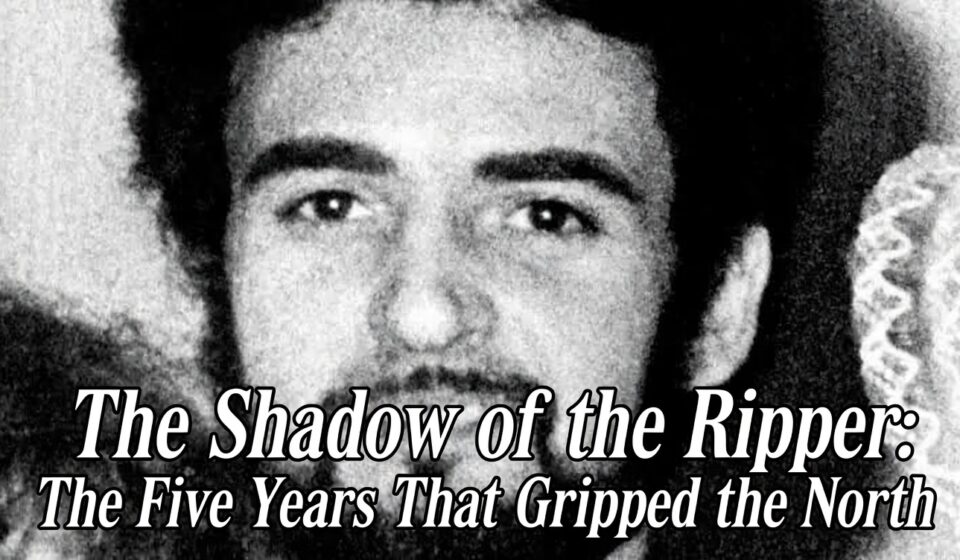

If you dig into the archives of the late seventies, you don’t just see a series of headlines; you see a region of Britain held in a state of total lockdown. For five long years, a shadow moved through the backstreets of Leeds, Bradford, and Manchester a shadow that belonged to Peter Sutcliffe.
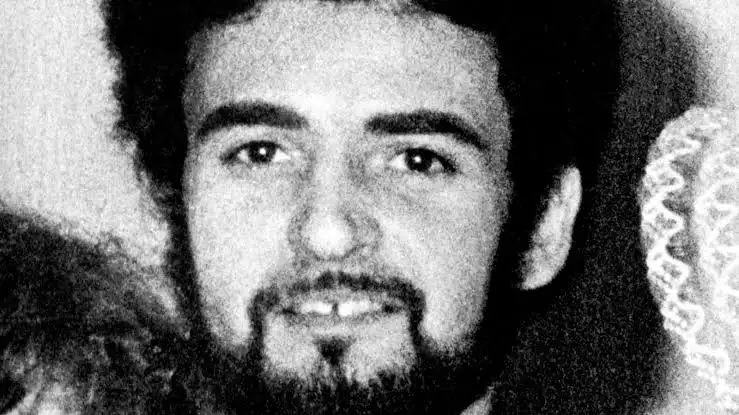
Even for those of us looking back years later, the story of the Yorkshire Ripper remains one of the most chilling chapters in British history. It’s a story of how a single man could bring the entire North of England to a standstill, leaving a legacy of fear that lasted long after he was caught.
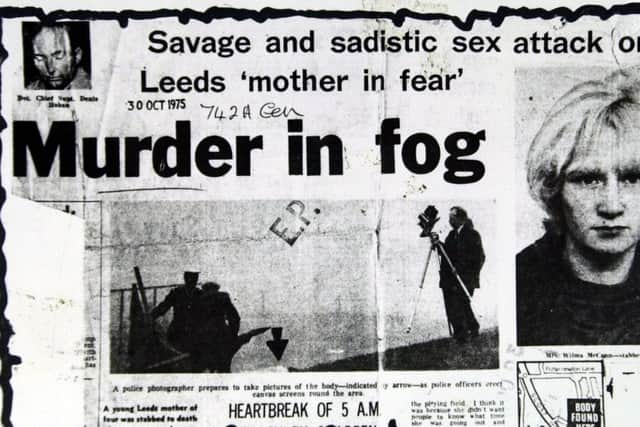
The setting was Chapeltown, Leeds. It was a Thursday night, and the city was settled into its usual midweek rhythm pubs were finishing their last rounds and the autumn fog was rolling in off the Pennines. Wilma McCann, a 28-year-old mum of four, was making the short walk home when her life was brutally taken.
At the time, the local press covered it as a tragic, isolated incident. The police, hampered by the social biases of the era, didn’t realise they were looking at the first official victim in what would become the longest and most expensive manhunt this country has ever seen.
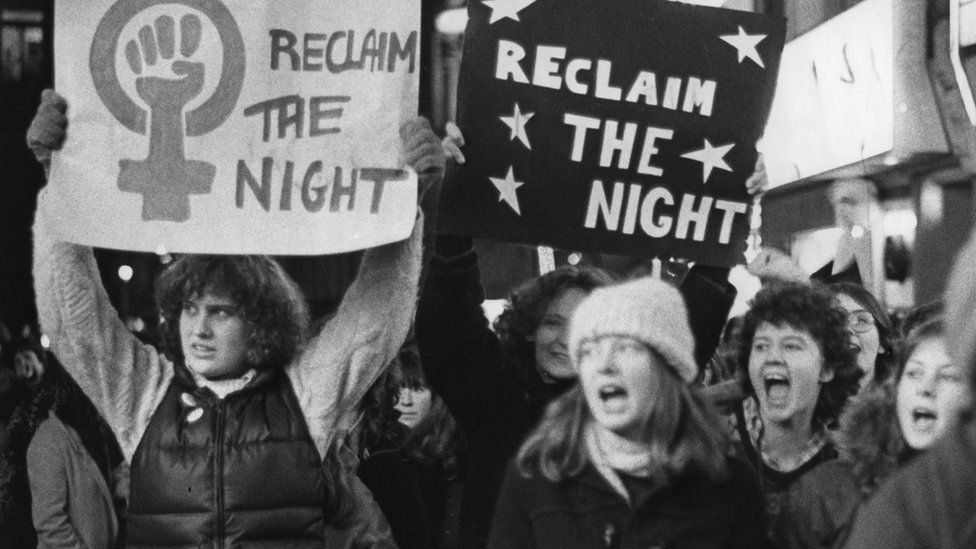
As the body count rose through 1976 and 1977, the atmosphere across West Yorkshire shifted from concern to pure panic. This wasn’t just true crime for the people living there; it was a daily reality. The police began a campaign of “curfew” leaflets, essentially telling women that the streets were no longer theirs.
The stories from those years are haunting: dads waiting at bus stops with torches, taxi drivers refusing to pull away until they saw a woman’s front door click shut, and “Reclaim the Night” protesters taking to the streets with placards, furious that the burden of safety was being placed on the victims rather than the killer.
The investigation was a logistical nightmare. In the days before computers, the West Yorkshire Police were literally drowning in paper. They had over five million index cards stacked to the ceilings at Millgarth station.
The biggest blow to the case, however, was the “Wearside Jack” hoax. A man with a thick Geordie accent sent letters and a tape recording to the lead detective, George Oldfield, claiming to be the Ripper. The police became so convinced the killer was from Sunderland that they ignored anyone without that specific accent.
This was the fatal error. Peter Sutcliffe a lorry driver from Shipley was actually interviewed by the police nine times. He sat in interview rooms, answered questions, and was let go every single time because he didn’t fit the “Geordie” profile. He was hiding in plain sight, living a quiet life in a Bradford suburb while continuing his reign of terror.
The end finally came in January 1981, and it wasn’t due to a brilliant piece of detective work. It was down to two beat officers in Sheffield who spotted a brown Rover with false plates parked in a driveway.
When they took Sutcliffe into custody, he managed to discard his weapons behind an oil tank while the officers weren’t looking. It was only when one of the officers returned to the scene the next day and found the hidden hammer and knife that the mask finally slipped. The Ripper was finally behind bars.
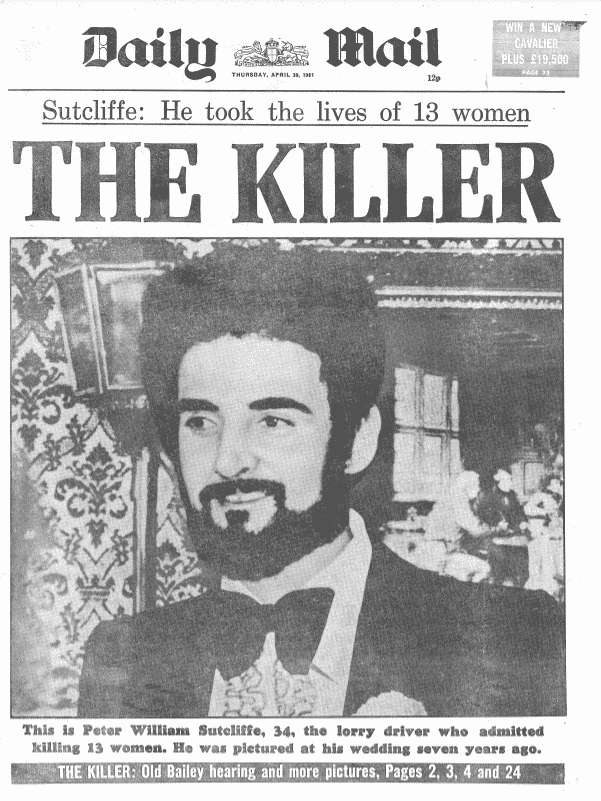
The case left behind a trail of devastation: 13 women murdered and seven others left with horrific injuries. But it also forced a total revolution in British policing. The chaotic, paper-heavy systems of the 70s were eventually scrapped in favour of the systematic, data-sharing methods we use today.
The North eventually moved on, but the story of those five years remains a grim reminder of a time when the lights stayed on late into the night, and the streets felt just a little bit narrower for everyone.
